User Rating: 5 / 5

If you want to be the number one enemy in rural African communities, tell them to stop using their land for cattle production.







User Rating: 5 / 5
If you want to be the number one enemy in rural African communities, tell them to stop using their land for cattle production.
User Rating: 5 / 5
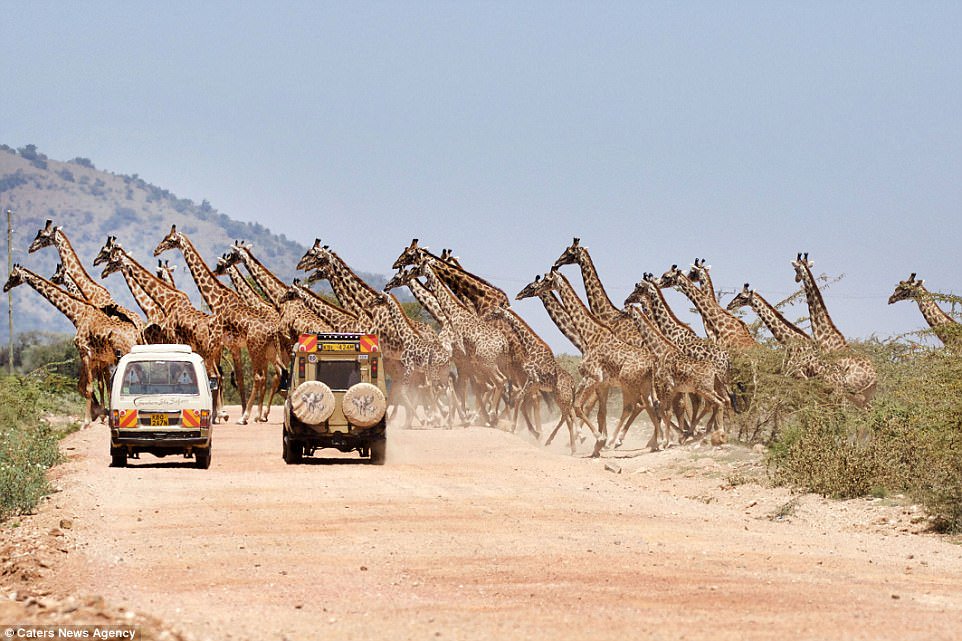
Southern Africa’s wildlife economy is often hailed as a successful model. The idea behind this model is that biodiversity and wildlife are used as the basis of sustainable economic growth, through an increase in wildlife numbers and in a country’s revenue.
User Rating: 5 / 5
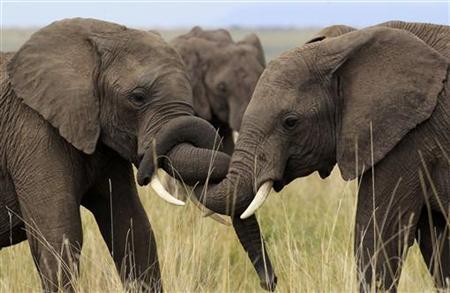
In the borderlands of Tanzania and Kenya, the “super tuskers” roam. A combination of old age, genetic pooling and prolonged protection from poaching has created a population of bull elephants with enormous tusks, weighing up to 45kg apiece, large enough to scrape along the ground as the animals walk.
User Rating: 5 / 5
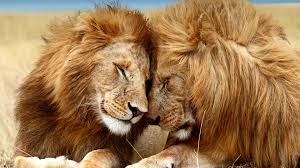
By now, many are aware of the plight of predators, including lions, leopards, cheetahs, and hyenas, in human-predator conflict in the Kunene region of Namibia.
User Rating: 5 / 5
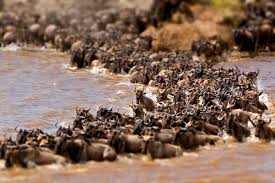
The first comprehensive aerial survey of wildlife in South Sudan has been conducted, revealing the largest land mammal migration on Earth.
User Rating: 5 / 5
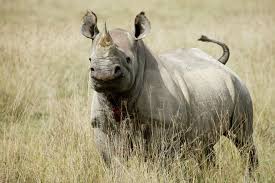
South African scientists on Tuesday injected radioactive material into live rhino horns to make them easier to detect at border posts in a pioneering project aimed at curbing poaching.