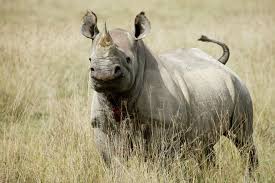

The past few weeks have not been easy for Nico Jacobs, founder of Rhino 911, a nonprofit that provides emergency helicopter transport for rhinoceroses in need of rescue in South Africa. That’s because times are much worse for the rhinos.








The past few weeks have not been easy for Nico Jacobs, founder of Rhino 911, a nonprofit that provides emergency helicopter transport for rhinoceroses in need of rescue in South Africa. That’s because times are much worse for the rhinos.
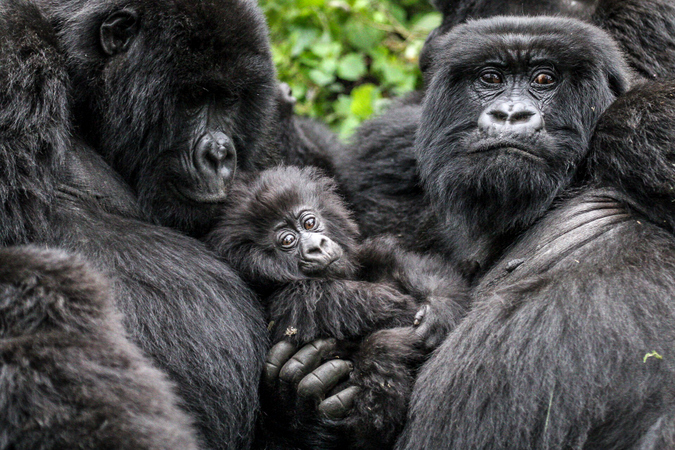
There are four critical facets of pandemic prevention, according to Lee Hannah, senior scientist at Conservation International. Three of them make immediate sense against the backdrop of our current emergency: stockpile masks and respirators; have testing infrastructure ready; and ban the global wildlife trade, including the open animal markets where Covid-19 may have first infected people.
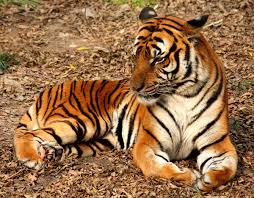
A TIGER AT the Bronx Zoo in New York City has tested positive for the virus that causes COVID-19, and six other big cats are exhibiting symptoms consistent with the illness, the U.S. Department of Agriculture announced Sunday afternoon.
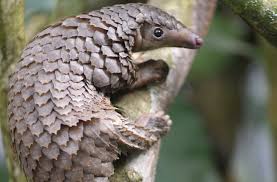
Camera traps set up by researchers in DR Congo have revealed 43 secretive forest species such as giant ground pangolins, African golden cats, leopards, cusimanses (a species of mongoose), bonobos, forest elephants and the endemic Congo peafowls.
There will be few positives to take from coronavirus. But the global pandemic may yet prove to be an important moment in the attempts to address the illegal wildlife trade.
With the current outbreak of the coronavirus disease, COVID-19, global attention has been drawn to the significant health risks posed by eating wild animals. As the number of infections from the coronavirus exploded in China, the outbreak was linked to a live animal and seafood market in Jianghan District, Wuhan. The specific animal source and mode of initial transmission are not yet known.