
User Rating: 5 / 5

South Africa appears to be falling in step with the rest of the world in the march towards new energy technology.








User Rating: 5 / 5
South Africa appears to be falling in step with the rest of the world in the march towards new energy technology.

User Rating: 5 / 5
The conviction of four people in the Northern Cape for the illegal poaching of the miracle bush lily reveals that criminal syndicates are targeting a wider array of South Africa’s unique flora for international markets.
The Calvinia Regional Court in the Northern Cape has convicted four foreign nationals for poaching 303 Clivia mirabilis, more commonly known as the miracle bush lily or the Oorlogskloof bush lily, worth an estimated retail value of between R6-million and R30-million.
On 3 July 2025, the four accused were each sentenced to 15 years of direct imprisonment for the illegal harvesting of this rare and critically endangered plant species, contravening conservation laws and violating South Africa’s immigration legislation.
The poached Clivia mirabilis. This is a rare, slow-growing plant endemic to a limited area in the Western and Northern Cape, and is prized by poachers. (Photo: JP le Roux)
This all stemmed from an incident on 20 April 2024 when Mark Daddy (43), Raphael Mhashu (25), Simbarashe Charanelura (33) and Elton Ngwanati (34), were initially arrested for unlawful activities in the Oorlogskloof Nature Reserve near Niewoudtville in the Northern Cape.
“This is a strong warning to those who intend exploiting and damaging the environment, causing harm to the endangered plants,” SAPS Namakwa District Commissioner, Brigadier Schalk Andrews, said in a statement.
The Clivia mirabilis is a rare and critically endangered plant species, currently facing a high risk of extinction. It is extremely localised and endemic to a small area in the Northern Cape and Western Cape. It is difficult to keep alive outside its natural habitat.
t’s described as a perennial herb with strap-shaped leaves and thick, fleshy roots that can reach up to a metre in height when in full bloom with orange to salmon-pink trumpet-shaped flowers.
Mojalefa Senokoatsane, NPA spokesperson for the Northern Cape Division, said the men illegally entered the nature reserve and harvested 303 Clivia mirabilis specimens.
“Rangers spotted the accused in the reserve and immediately alerted the police. A swift joint operation between law enforcement and reserve staff led to the arrest of the suspects, who were found in possession of five large bags containing the endangered plants and tools used to uproot them. All four pleaded not guilty,” said Senokoatsane.
On 3 July 2025, four foreign nationals aged between 25 and 43 were convicted of poaching 303 protected succulents worth an estimated street value of R33,000. They were arrested for the offence on 20 April 2024. (Photo: JP le Roux)
Senokoatsane said that during the trial, four witnesses testified, including an expert who confirmed the identity, rarity and high value of Clivia mirabilis. The court also heard that illegal poaching of this species posed a significant threat to biodiversity.
In aggravation of sentence, the NPA said that regional court prosecutor Darryl Bromkamp had made the case of severe ecological damage caused by environmental crimes and the urgent need to deter similar offences.
Bromkamp urged the court to impose a strong sentence to affirm the importance of protecting South Africa’s environmental heritage.
“This sentence sends a strong message that environmental crimes will not be tolerated. It affirms the commitment of the NPA and the broader criminal justice system to preserving South Africa’s biodiversity and upholding the rule of law.
 Is South Africa’s agricultural trade surplus beginning to flower?
“It also reflects the growing prioritisation of environmental crimes within the broader fight against organised and transnational criminal networks,” said Senokoatsane.
A relentless wave of plant poaching
This case is just the tip of the iceberg in a crisis threatening the survival of species such as Clivia mirabilis in a relentless wave of poaching events, driven by high demand from international collectors and largely sold in Asian markets.
This is according to a case study compiled by JP Le Roux, a biodiversity officer in the Northern Cape’s Department of Agriculture, Environmental Affairs, Rural Development and Land Reform (DAERL) and submitted to the NPA as supporting documentation for the case.
The main population of this species is in the provincial Oorlogskloof Nature Reserve where the four accused were found trespassing and illegally harvesting the plants. Le Roux said that as a member of the Amaryllidaceae family, Clivia mirabilis was unique among its genus due to its drought tolerance and specific ecological niche.
“Its extremely limited distribution and slow growth rate make it particularly vulnerable to poaching,” said Le Roux.
Read more: Rare clivias targeted in southern Africa’s evolving illegal plant trade
As senior ISS researcher Carina Bruwer has written in Daily Maverick, the demand for Clivia mirabilis appears to be concentrated predominantly in China, and supplied by local and foreign harvesters and intermediaries, often from adjacent southern African countries and Asia.
Criminal syndicates in illegal plant trade shift focus
Plant poaching threats in South Africa are now extending beyond just succulents. Since the Covid-19 pandemic, there has been a dramatic increase in plant poachers targeting unique plant species in arid areas of the country.
Cacti are displayed in the Floral Marquee tent during the press preview day of the Hampton Court Palace Flower Show on 4 July 2016 in London, England. (Photo: Dan Kitwood / Getty Images)
Now criminal syndicates are targeting a wider array of South Africa’s unique flora for illegal international markets. As WWF South Africa has said, dwarf succulents such as Conophytums were initially the primary focus of the illegal plant trade.
This led to many species being classified as endangered or critically endangered. But the threat has evolved, with a new focus on other valuable species such as Clivia mirabilis, as is seen with the recent conviction and sentencing.
Despite thriving in harsh, dry conditions unlike most forest-dwelling clivias, these plants have a slim chance of survival outside their natural environment, making their illegal harvesting particularly devastating.
Experts believe the demand is driven by enthusiasts seeking to cross-breed them.
“There is a huge following of people who collect clivias both locally and internationally… They can cross-pollinate this with other clivias and form a whole bunch of new colours and hybrids, said Le Roux.
“The opportunities for application in horticulture are quite big. That’s the big drive behind this for collectors. Everyone is trying to get seeds or pollen that they can hybridise to make something that they can sell and make their own.”
According to Le Roux, the plant is targeted by a vast number of collectors, a group far larger than the small, niche communities that seek other poached plants like smaller Conophytums. He said that the scale of poaching for this species was now significantly larger than for any other.
WWF South Africa reported that since October 2023, there has been a significant increase in Clivia mirabilis poaching incidents.
According to CapeNature, the first indication of interest in the illegal trade in Clivia mirabilis emerged in October 2023 when 18 plants were confiscated in Belhar, Cape Town, along with succulents.
Authorities have made several arrests over the years, but historically, low conviction rates and minimal sentencing have failed to serve as effective deterrents, making the success of this latest conviction especially noteworthy.
WWF South Africa has warned that this well-organised illegal trade often targets local communities, enticing them to harvest plants for middlemen within the syndicates.
The cross-provincial nature of the Clivia mirabilis habitat also complicates law enforcement due to differing regulations. Landowners are also directly affected by these illegal incursions.
User Rating: 5 / 5
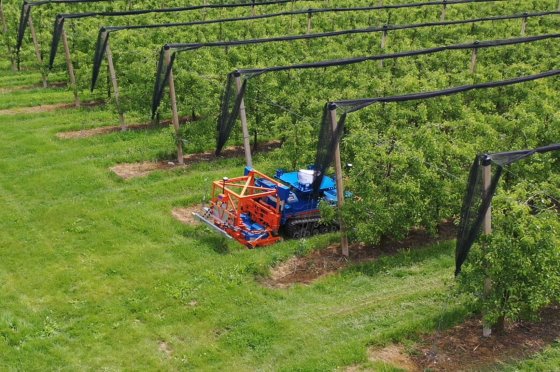
New technology has debuted in China which uses lasers to destroy weeds in crop fields and vineyards.
User Rating: 5 / 5
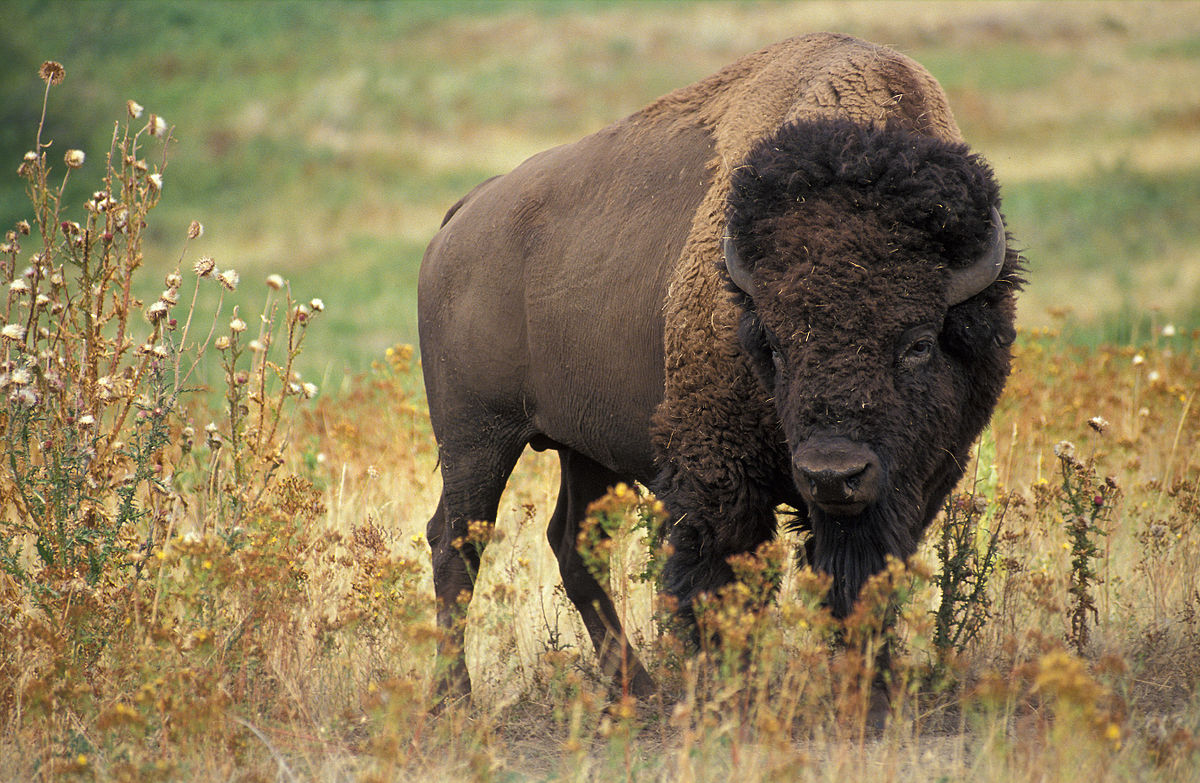
We take it for granted that humans find it more difficult to conceive as they grow older. But our recent study, which analysed data from 157 animal species, found that male reproductive ageing seems to be a lot less common in other male animals.

User Rating: 5 / 5
Land reform beneficiaries in South Africa are experiencing major challenges in making land productive and benefiting from it, due to the lack of post-settlement support.
User Rating: 5 / 5
Parrots, with their vibrant plumage, distinctive voices, and remarkable intelligence, have long captivated the human imagination. The popularity of parrots as pets has increased dramatically over the last decade, spurred on by social media and by the exotic pet trade’s hunger for rarity. As trade has increased, so too has commercial captive breeding of these birds. And yet some researchers are asking the controversial question: Does captive breeding help or hinder the conservation of the wild parrot populations?
According to the IUCN Red List, of the 398 known species of parrots, 18 are critically endangered, 39 are endangered, and 55 are vulnerable. Parrots are among the most threatened avian groups worldwide, and many parrot species are at risk of extinction.
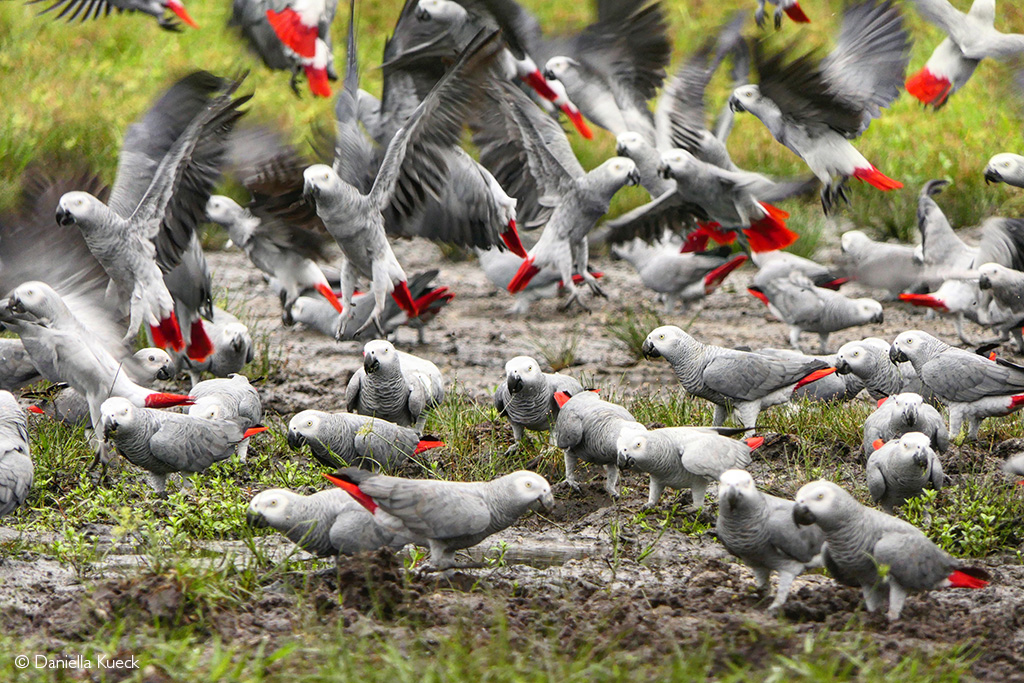
Among Africa’s parrot species, the African grey parrot (Psittacus erithacus) stands out as one of the most heavily trafficked birds in the world. Prized for its intelligence and mimicry, this species has suffered catastrophic declines due to illegal trapping and habitat loss. By some estimates, populations in parts of West Africa have dropped by over 90%. (Population strongholds remain in a few West African protected areas, such as Congo Brazzaville’s Odzala-Kokoua National Park). Despite its listing on CITES Appendix I, trade continues in many regions through loopholes and poor enforcement. Its close relative, the Timneh parrot (Psittacus timneh), once considered a subspecies, is also under severe pressure and now classified as Endangered. Other African parrots facing growing threats include the Cape parrot (Poicephalus robustus), South Africa’s only endemic parrot, which is Endangered due to habitat fragmentation and historical trapping, and the Rüppell’s parrot (Poicephalus rueppellii), which is increasingly targeted for trade in Namibia and Angola. While not as globally prominent as African grey parrots, species like the rosy-faced lovebird (Agapornis roseicollis), Fischer’s lovebird (Agapornis fischeri), and Meyer’s parrot (Poicephalus meyeri) are also impacted by wildlife trade, facing pressures from local trapping, habitat loss, and poorly regulated regional markets that continue to remove wild individuals despite captive breeding efforts. Without stronger protection and enforcement, several of these species risk being lost from the wild.
The captive breeding debate
It is this dire situation that has led researchers to weigh up all options in the fight to save parrot populations, with their findings laid out in a recent publication. One approach is to question whether commercial captive breeding is successful in reducing pressures on wild birds. Historically, the overexploitation of wild parrots for the pet trade has led to drastic population declines in certain species, and conservationists aim to prevent such impacts from recurring. That is why researchers from the World Parrot Trust and World Animal Protection set out to investigate whether commercial captive breeding of parrots is a plausible intervention to address unsustainable trade. The researchers sought to determine whether breeding parrots in captivity would result in fewer birds being taken from the wild. They developed a set of conditions or prerequisites that must be met before one can justify the use of captive breeding as a conservation tool. The researchers then investigated whether these conditions were being met by reviewing and collating the scientific and grey literature for 16 parrot species currently traded as pets.
The study is important, as captive breeding is increasingly being promoted, sometimes by governments, sometimes by private interests, as a potential solution to the overexploitation of wild parrots. The idea is that if consumer demand can be met with legally bred birds, the incentive to poach wild individuals will decrease. It’s a “supply-side” approach, akin to farming rhinos to harvest their horns and reduce illegal trade in horn.
Fischer’s lovebirds in a breeding aviary. These lovebirds are commonly linked to wildlife trade concerns due to ongoing wild capture and habitat decline
However, as the study itself notes, this premise is riddled with untested assumptions, and there’s very little empirical evidence showing that captive breeding reliably reduces pressure on wild populations, especially in the parrot trade. What’s more, there’s growing concern that the mere presence of legal markets provides cover for laundering wild-caught birds.
Captive breeding may fuel, not curb, trade in parrots
As researchers unpacked the evidence for whether captive breeding could offset demand on wild populations, they found that the captive-bred parrot trade is stimulating and facilitating trade in wild-sourced parrots, rather than hindering it.
One of the key considerations highlighted in the review is that parrots are high-maintenance creatures, and some species may take years to mature sexually. This challenges the assumption that breeding is a more cost-effective solution for traders – it is not more cost-effective than sourcing birds from the wild. For those illegally trading wild birds, illegal capture incurs few upfront costs.
Captive breeding costs include the authorities’ expenses for monitoring and regulation. Without this regulatory control, there would be no way to verify that breeding stock is not being taken from wild parrots.
Regulatory failure and laundering risks
For captive breeding to be considered as an effective conservation measure for protecting wild birds, the scenario would need to ensure no wild birds be removed from the wild for any reason. This criterion has been repeatedly broken by captive breeders removing wild birds for restocking or improving genetic breeding stock. Furthermore, wild birds are often captured or poached under the guise of captive breeding programs, an unintended consequence with a negative impact on wild populations. Commercial captive breeding would need to be governed by adequate regulatory measures to prevent laundering, and this level of control is often lacking in many countries.
Demand uncertainty and market gaps
The researchers also considered whether consumers preferred captive-bred parrots to wild-caught parrots (much like the question of whether farming of rhinos for their horns could prevent illegal trade in wild rhino horn). They did not have enough data to conclude whether this held, but calculated that it could have a significant impact on the demand side of the pet trade. This gap was one of many significant knowledge gaps that need to be addressed before breeding is even considered as an effective conservation measure.
Even in cases where researchers identified that quick-breeding parakeets and cockatiels could be bred in sufficient quantity to supply and even exceed demand, this was only applicable within domestic, low-value markets. Furthermore, this scenario does not address illegal trade of rarer, high-value species.
Rosy-faced lovebirds, while less targeted in the illegal trade due to their wide availability through captive breeding, are a major part of the broader pet market landscape
There were also unintended consequences of captive breeding. The study also re-emphasises that legitimising the pet trade can stimulate demand on both wild and captive populations. The researchers warned that large-scale captive breeding may inadvertently boost wild capture, highlighting significant unknowns: productivity data, scale in Asian markets, and profitability under strong oversight remain lacking.
Illegal trade in parrots persists
Despite some captive‐breeding efforts, the illegal parrot trade remains rampant. In 2024, seizures included 60 parrots in Indonesia, 36 African greys in Nigeria, and over 12,000 in the DRC. Bolivia alone loses approximately 22,000 wild parrots annually to the pet trade. This underscores that trafficking continues unabated, with wildlife crime valued at roughly $20 billion/year. However, tackling enforcement has gained a digital boost: advanced AI methods (such as language-learning models and image-recognition models) are now capable of detecting illegal wildlife trade advertisements online, offering a promising new weapon against clandestine sales.
On another hopeful note, some source nations are taking serious steps: in April 2025, DRC’s Tshopo Province imposed a ban on wild-caught African grey parrots, a major blow to traffickers using river and airport routes. However, the efficacy of this measure will depend on consistent enforcement.
Rethinking conservation priorities
The authors conclude that the efficacy of captive breeding in reducing pet-trade pressures on wild populations is difficult to prove. They affirm that the conditions for it to work are rarely met and that, in many cases, captive breeding exacerbates the problem. Still, the fact that the conversation is happening at all is a signal of how deeply the commodification of wildlife has permeated conservation discourse.
Wild Cape parrots in flight
The study recommends that decision-makers review captive breeding policies carefully before committing parrot species conservation to interventions with uncertain outcomes.
Furthermore, beyond considering captive breeding as a far-fetched conservation tool, the survival of parrots in the wild depends on meaningful habitat protection, strong law enforcement, and a societal shift away from treating wildlife as novelty pets.