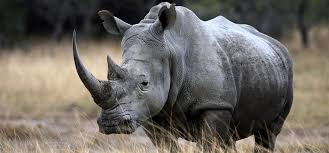

Southern African nations are threatening to quit the global wildlife trade regulator after it refused to relax restrictions on trade in ivory and rhino horn and imposed a near total ban on zoos taking African elephants captured in the wild.








Southern African nations are threatening to quit the global wildlife trade regulator after it refused to relax restrictions on trade in ivory and rhino horn and imposed a near total ban on zoos taking African elephants captured in the wild.
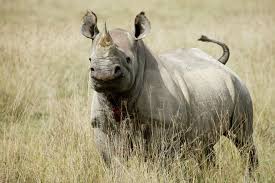
South African rhino farmers own half of the rhino population in the country - an estimated 15 000 to 18 000 rhinos - but many of them have already started to get rid of their animals and are considering discontinuing rhino farming, as it is not profitable.
In the midst of the complex debate about whether or not to trade in rhino horn, I would like to address one important subplot:
Vusamazulu
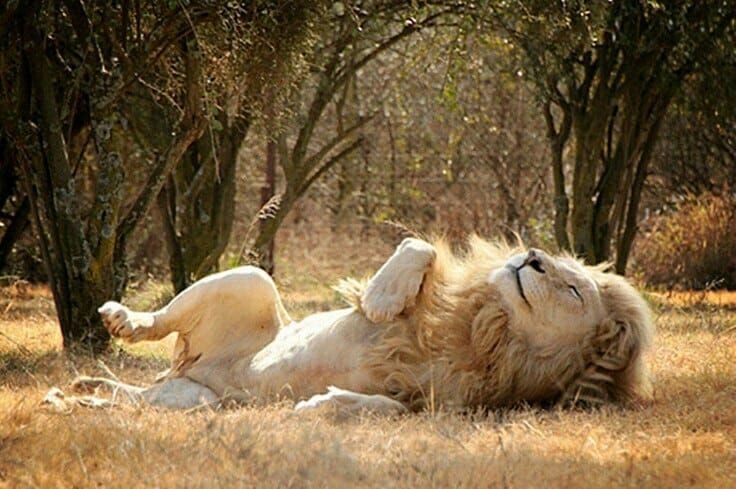
“If you can visualise hell on earth,” said the indigenous healer in the black and red cloth, “that is what our governing structures have created with the king of all animals.”
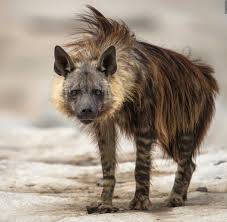
Steeped in myths and legends regarding magical powers, hermaphroditism and black magic, and more recently cast as villains by Disney, the hyena family undoubtedly suffers from a bad reputation.
A new report by global NGO, World Animal Protection, provides a damning indictment on the captive predator breeding industry.